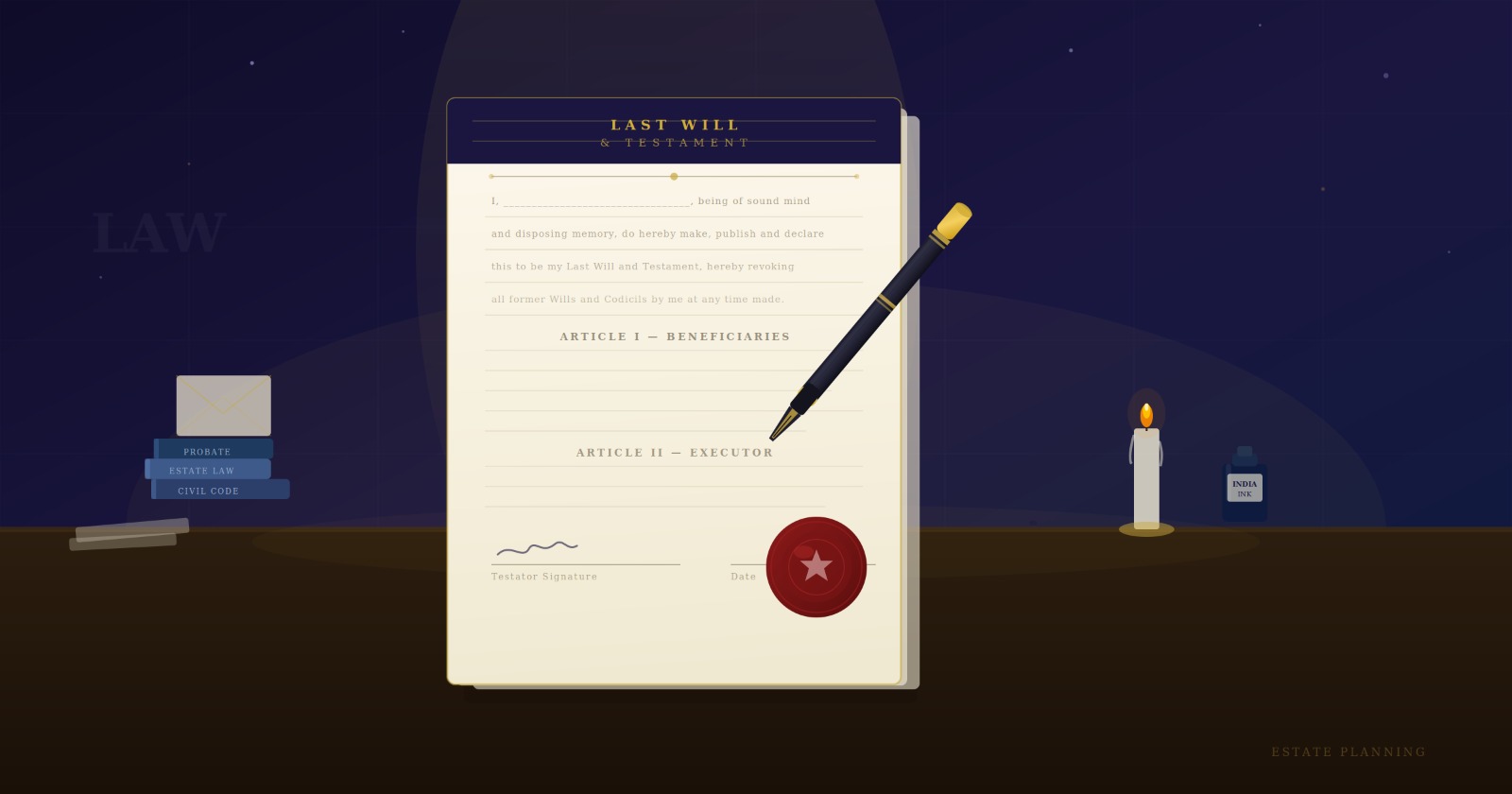
How to Draft a Will: A Step-by-Step Guide to Protecting What Matters Most
Why Every Adult Needs a Will
A will — formally known as a "Last Will and Testament" — is a legally binding document that spells out your wishes for how your assets, property, and even the care of your dependents should be handled after your death. Without one, the law decides for you, and the result may bear little resemblance to what you actually wanted.
The good news: drafting a will doesn't have to be complicated or expensive. Whether your estate is modest or substantial, the steps are largely the same.
7 Key Steps to Drafting Your Will
01
Take stock of your assets
List everything of value — bank accounts, property, investments, vehicles, jewellery, digital assets, and sentimental belongings. Knowing what you own is the foundation of any solid will.
02
Decide on your beneficiaries
Beneficiaries are the people or organisations who will receive your assets. Be specific — full legal names, relationships, and what each person should receive.
03
Appoint an executor
The executor is the person responsible for carrying out the instructions in your will. Choose someone trustworthy, organised, and ideally willing to take on the task. Name an alternate in case your first choice is unable to serve.
04
Name guardians for minor children
If you have children under 18, specify who should care for them if both parents are gone. This is arguably the most critical part of any parent's will.
05
Write the document clearly
You can write a will yourself (holographic will), use an online template, or engage a solicitor/lawyer. Use plain, unambiguous language. Avoid vague terms like "some of my money" — specify amounts or percentages.
06
Sign it in front of witnesses
Most jurisdictions require two adult witnesses who are not beneficiaries. Both must be present when you sign. The will becomes legally valid only once properly witnessed and signed.
07
Store it safely and tell someone
Keep your will in a secure, known location — a fireproof safe, with your lawyer, or registered with a probate registry. Inform your executor exactly where to find it.
Common Mistakes to Avoid
Many wills are challenged or declared invalid due to easily avoidable errors. Failing to sign in front of proper witnesses, naming a beneficiary as a witness, leaving out digital assets, or not updating the will after a divorce are among the most frequent pitfalls. When in doubt, consult a qualified solicitor — the cost of professional advice is small compared to the potential legal disputes it prevents.